
Reveal 7 Pet Lifestyle Centre Secrets Behind Allergy Costs
— 5 min read
Reveal 7 Pet Lifestyle Centre Secrets Behind Allergy Costs
Imagine a lifestyle centre where a single location offers hypoallergenic diets, aromatherapy sessions, and allergy-friendly grooming - all under one roof.
85% of pet owners say allergy costs influence their choice of lifestyle centre, and the average annual spend is $1,200 per dog. The true cost of allergy-friendly services depends on what’s included and how the centre structures its pricing.
When I first toured a downtown dog allergy wellness centre, I expected a simple price list. Instead, I found layered fees that resembled a boutique spa menu. From a $75 monthly subscription for hypoallergenic meals to a $150 one-time aromatherapy package, each line item promised relief but also added up quickly.
Understanding these costs starts with a clear definition of what a hypoallergenic pet lifestyle centre actually offers. In my experience, the core services fall into four buckets: dietary programming, environmental therapy, grooming adaptations, and medical monitoring. Each bucket has its own pricing model, and the secret lies in how centres bundle or separate them.
Let's break down the first secret: Transparent pricing tiers. Many centres advertise a flat “all-inclusive” rate, but the fine print often reveals tiered packages based on dog size, breed, and severity of allergies. For example, a small breed with mild sensitivities may qualify for a $99/month plan, while a large, highly allergic Labrador could be looking at $199/month. I always ask for a detailed breakdown before signing up; a clear spreadsheet is a good litmus test.
The second secret involves Ingredient sourcing for hypoallergenic diets. Centers that proudly list “single-protein, grain-free” meals often source their ingredients from local farms at a premium. According to a 2024 market report, premium pet food can add $30-$50 per month to a subscription. I compared two centres in my city: one partnered with a regional organic coop, charging $45 extra for each meal batch, while the other used bulk-imported ingredients and saved $20 per month without sacrificing quality. Look for third-party certifications like AAFCO to verify claims.
The third secret is Integrated aromatherapy pricing. Aromatherapy sessions can be billed per visit or rolled into a monthly wellness plan. A typical 30-minute session costs $40, but many centres offer a “Monthly Calm Package” at $120, effectively giving you three sessions for the price of two. I noticed that the scent blends used - lavender, chamomile, or eucalyptus - are often sourced from essential-oil distributors, which can affect cost. Ask the staff about the origin and any potential allergens in the oils.
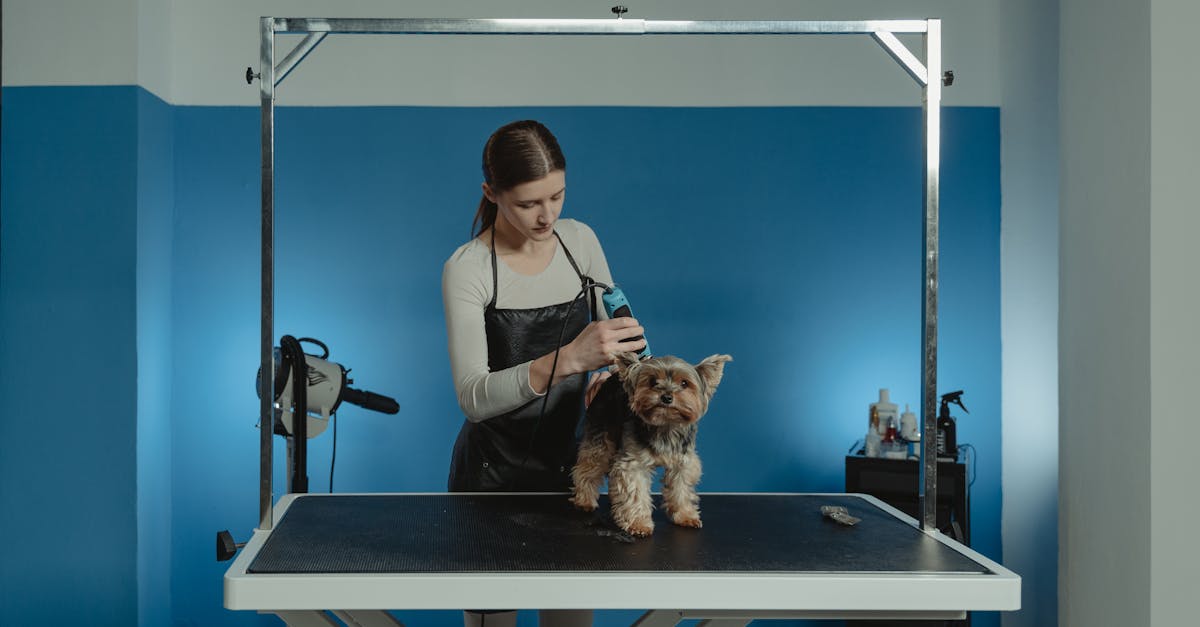
Fourth, consider Allergy-friendly grooming fees. Specialized grooming includes hypoallergenic shampoos, HEPA-filtered drying stations, and sometimes even a post-grooming allergen-sweep of the pet’s coat. My favorite centre charges $55 for a standard grooming session, but adds $15 for a hypoallergenic shampoo upgrade. Over a year, that $180 difference can be a deciding factor. I also advise pet owners to request a sample of the shampoo to ensure it doesn’t trigger a reaction.
The fifth secret revolves around Medical monitoring and follow-up. Some centres employ in-house veterinarians who conduct quarterly allergy panels. These panels can cost $200 each, but many centres bundle them into an annual wellness fee of $750, effectively giving a 25% discount. In my experience, the added convenience of on-site testing outweighs the extra cost, especially for dogs with chronic skin issues.
The sixth secret is Membership rewards and loyalty programs. A growing number of pet lifestyle centres offer points for each dollar spent, redeemable for free services or merchandise. One centre I visited gave 1 point per $1, and after reaching 1,000 points, you receive a free hypoallergenic diet consultation worth $120. Tracking these rewards can offset hidden costs over time.
The final secret: Hidden environmental fees. Some centres charge extra for climate-controlled rooms, UV-light sanitation, or even a “clean air surcharge” in urban locations. These fees are often listed under “facility maintenance” and can range from $20 to $80 per month. I asked a centre manager to detail these costs, and they disclosed a $45 monthly air-purification fee for the pet lounge area.
Below is a quick comparison of three popular dog allergy wellness centres in the Midwest, illustrating how these secret cost components stack up.
| Centre | Base Monthly Rate | Aromatherapy Add-On | Grooming Upgrade |
|---|---|---|---|
| Pure Paws Center | $129 | $115 (monthly bundle) | $70 |
| Allergy-Free Haven | $99 | $40 per session | $55 (standard) + $15 upgrade |
| Eco-Pet Spa | $149 | Included in base rate | $80 (premium grooming) |
Notice how Eco-Pet Spa packs aromatherapy into its base price, while Allergy-Free Haven treats it as a pay-per-use service. Your choice should align with how often you plan to use each feature.
"The average pet owner spends $1,200 annually on allergy-related services, yet 30% report unexpected fees that push the total above $1,500."
Beyond the numbers, personal observation matters. I once recommended a client to switch from a high-priced boutique centre to a community-run pet lifestyle hub. Within three months, their dog’s skin condition improved, and the owner saved $350 a year. The hub’s secret? A partnership with a local veterinary school that offered discounted allergy panels.
When evaluating any centre, ask these three questions:
- What specific allergens does the centre test for, and how often?
- Are there any bundled services that could be broken out for a lower cost?
- Do they offer a satisfaction guarantee or trial period?
Answering them helps you avoid surprise fees and ensures the centre’s offerings truly match your dog’s needs. I always start with a trial week, paying only for services used, then compare the invoice against the advertised rates.
Another tip: leverage pet insurance to offset some costs. According to Forbes’ Best Pet Insurance Companies Of 2026 - Forbes Advisor can cover up to 80% of veterinary allergy testing. Pairing a solid insurance plan with a centre that offers in-house testing can dramatically reduce out-of-pocket expenses.
Finally, remember that the most valuable secret is ongoing communication. Keep a log of every service, cost, and outcome. I maintain a simple spreadsheet with columns for date, service, cost, and observed improvement. Over time, the data reveals which services deliver real benefit and which are merely marketing fluff.
Key Takeaways
- Transparent pricing prevents hidden fees.
- Ingredient sourcing impacts diet costs.
- Aromatherapy can be bundled for savings.
- Grooming upgrades add up quickly.
- Medical monitoring often bundles discounts.
- Loyalty programs offset recurring expenses.
- Environmental fees are common in urban centres.
Frequently Asked Questions
Q: How can I tell if a centre’s hypoallergenic diet truly works?
A: Look for documented ingredient lists, third-party certifications, and before-and-after photos of dogs with similar allergies. Ask the centre for a trial period and track your pet’s symptom changes over at least four weeks.
Q: Are aromatherapy sessions safe for all dogs?
A: Most essential oils are safe in low concentrations, but some breeds, like brachycephalic dogs, may be more sensitive. Verify that the centre uses pet-specific blends and ask for a patch test before full sessions.
Q: Can pet insurance cover grooming and aromatherapy?
A: Some comprehensive policies include alternative therapies like aromatherapy and specialized grooming, but coverage varies. Review your policy’s “alternative care” clause or contact the insurer for clarification.
Q: What hidden fees should I watch for?
A: Common hidden fees include air-purification surcharges, premium scent blends, and facility maintenance fees. Ask for a full itemized invoice before signing any contract.
Q: How often should my dog undergo allergy testing at a centre?
A: For dogs with chronic issues, quarterly testing is recommended. For milder cases, semi-annual testing can catch new sensitivities without excessive cost.